
The Impact of Environmental Factors on Infant Development
- posted: Dec. 17, 2024
For new parents, the age old debate of nature vs. nurture can take on some added meaning. Those parents may look at their infant and wonder how much of the future is written in the genome and how much comes from daily, lived experience. The answer for most people is probably a healthy mixture of both. For infants, in particular, environmental factors can play a significant role in development in ways that sometimes last a lifetime.
This doesn’t necessarily mean that parents should become overly protective or paranoid. Instead, it means taking a few well-informed, practical steps to ensure that your baby can avoid spending time around hazardous toxins and detrimental environmental factors.
The challenging part is that infants are particularly sensitive. Some environmental factors that don’t strongly impact adults can have a huge effect on babies. That’s why it’s critical to understand how these environmental factors impact infants. Once you understand that, you can take steps to help ensure your baby grows up in a healthy, supportive environment.
Types of Environmental Factors
When most people think of environmental factors, the first thing that pops into their head might be common chemicals and pollutants. And that can certainly be true. But any environment is comprised of a wide range of elements–from air quality to temperature to noise levels. Not all of these elements are important to your baby’s welfare, but some of these environmental factors can make an impact.
And the environmental factors that matter to your baby can sometimes be both surprising and potent. That happens for a wide variety of reasons, including the following:
Infants have typically not built up any kind of long term tolerance to environmental factors. Additionally, their immune systems do not function as well as those of adults and older children.
Babies experience the environment in a very different way than adults or older children. For example, a crawling baby will spend much more time close to the ground (and objects on the ground) than an adult. This different way of exploring and experiencing the world means babies will encounter a different mixture of environmental factors than adults.
Infants do not necessarily have any control over their environment. A baby can’t realistically really remove themself from a hazardous room or articulate that certain smells or noises may feel harmful, for example.
Babies are growing. And because they are growing at such a fast rate, babies tend to consume more food, air, and water for their size than adults do. This means if there is something damaging in the environment, babies will likely receive a proportionally larger dose of that environmental factor than an adult. As a result, factors which are safe for adults may prove hazardous to babies.
Some environmental factors will seem obvious. For example, you want to make sure that your infant is eating right, feels safe, and gets plenty of rest. But other factors may be easier to miss.
Environmental Factors Parents Should Pay Attention To
An environmental factor is, broadly speaking, an element that’s part of the environment that your baby inhabits. Just because something is an environmental factor doesn’t necessarily mean that it’s bad–some factors have a negative impact while others may have a positive effect.
The following are examples of easy-to-miss but impactful environmental factors that parents and caretakers may want to pay special attention to.
Air Quality: Not all air is great air. Infants tend to be especially sensitive to poor air quality. This can include smoke and air pollution–but it can also include indoor irritants as well. In general, you may want to limit your baby’s exposure to outdoor air when the AQI (or Air Quality Index) becomes hazardous for sensitive groups. And you can improve indoor air quality by investing in air purifiers, making sure you change air filters regularly, and avoiding indoor allergens.
Temperature: Even though all humans are warm-blooded, babies can be particularly sensitive to changes in temperature. This means that the optimal temperature for your baby is relatively narrow. In most cases, the most comfortable temperature for babies is anywhere between 68-72 degrees Fahrenheit. When temperatures go above that threshold, consider helping your baby cool off. When temperatures go below that threshold, you may want to wrap your infant in a blanket to help them warm up.
Noise: Believe it or not, babies are pretty sensitive to noise. Almost every sound is a new sound. And to a newborn, the world is much louder than they’ve previously experienced. (It’s also not like newborns can easily cover their ears when sounds grow too loud.) This means your baby will benefit if you try to avoid loud noises around them. Most pediatricians recommend a maximum noise level of about 60dB, or about the volume of a normal conversation. Anything louder than that can damage your baby’s hearing.
When your baby is exposed to poor air quality, temperatures that are too hot or too cold, or loud noises, it can sometimes result in negative impacts on your infant’s normal development. For example, exposure to air pollution has been shown to increase risks of respiratory problems (such as reduced lung function or asthma) and damage to the central nervous system. Similarly, noise exposure can damage the development of your baby’s hearing and speech.
Exposure to Environmental Toxins
Environmental toxins are a very specific type of environmental factor. These toxins are not necessarily rare or uncommon. Many homes have a wide variety of these substances, and they’re relatively safe around adults because adults know how to behave around them. For example, adults know that they should not drink laundry detergent. Babies and infants have not developed this knowledge yet.
Some of the most common environmental toxins your baby may encounter around the home include the following:
Cleaning products: Many cleaning products use bleach or ammonia (which you should never mix, by the way, as this will create an exceptionally toxic gas). These are effective chemicals for cleaning purposes. However, the fumes from these cleaners can irritate your baby’s lungs and contact with either bleach or ammonia can irritate your baby’s skin. Consider cleaning or disinfecting with gentler cleaners. At the very least, ensure the area being cleaned has adequate air circulation.
Paints and paint thinners: You may feel tempted to paint your baby’s room when they first arrive. But the fumes from paints and paint thinners can be exceptionally harmful to newborns and babies. So the best advice is to do any painting you need to do well before the baby arrives (and away from anyone who is pregnant) or once they’re a bit older.
Pesticides: You may not think of the ant-killer or wasp-killer you spray around your house to be pesticide. But that’s what it is. And these pesticides can be exceptionally harmful for your newborn, even peripherally. Look for organic or non-pesticide-based methods to manage any insects you don’t want around the house.
Laundry detergents: The detergents and fabric softeners you use can linger on clothes, even after they’ve gone through a hefty wash cycle. Harsher detergents can irritate your baby’s skin. Make sure to select detergents that are gentle and baby safe when washing your baby’s clothes.
Anything with fragrances and dyes: So many products–from soaps and shampoos to cleaning sprays–are loaded with fragrances and dyes. Try to avoid using these particular substances (this includes air fresheners, which in most cases are nothing but dyes and fragrances), as they can irritate your baby.
Once you begin to take note of these toxins, it will be easier for you to ensure they are stored somewhere safe and away from your baby. If you have questions about what you should keep around your house and what you shouldn’t, be sure to ask your baby’s pediatrician about it during your baby’s regular wellness visit.
Practical Tips for Keeping a Healthy and Safe Environment
It may feel overwhelming to know that these hazardous toxins and environmental factors are household staples. For parents, however, there are a few simple steps you can take to help keep your home safe and healthy for your infant. Some of those practical steps include the following:
Try to purchase cleaning products that are designed for sensitive skin or that are fragrance free.
Place all cleaning materials in a child-proof cabinet or space.
When using cleaning materials, make sure that they are out of reach of your baby at all times. Additionally, ensure that any space you are cleaning is well-ventilated.
Check the Air Quality Index before taking your baby outside, especially in summer when smoke from wildfires and air pollution can mix.
If you can, invest in air purifiers and make sure air filters are changed when required.
Don’t Forget About Positive Environmental Factors
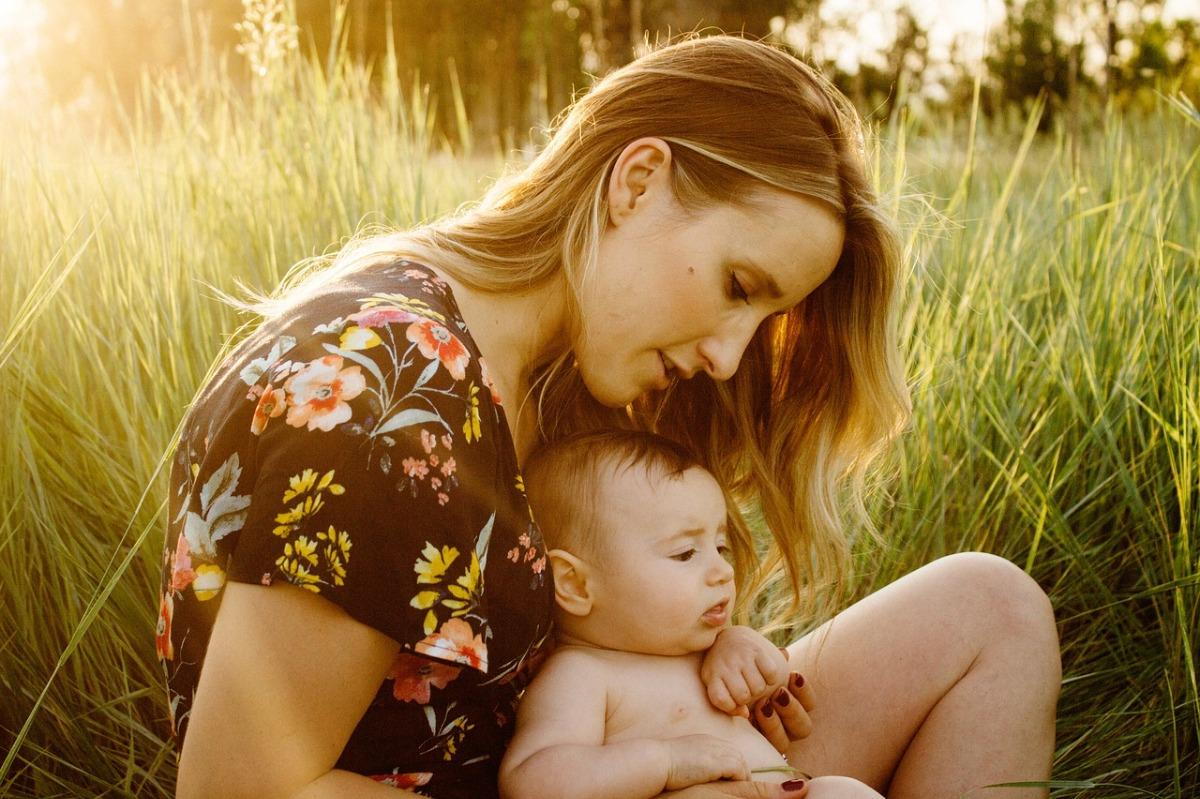
Not all environmental factors are those you should be trying to avoid. There are many environmental factors that have a positive impact on your infant’s development. For example, the availability of enrichment and play are environmental factors that can lead to possible long term benefits in babies. Specifically, outdoor play and exposure to nature can lead to tangible benefits in your baby’s cognitive and physical development.
As you try to create a nurturing environment for your baby, it’s important to work in these outdoor moments (unless the outdoor air quality prohibits it, of course). Getting your child outside and around the natural world–even if it’s just going for a walk–can do a world of good.
No baby will experience a perfect environment for the totality of their lives. The best any parent can do is try to provide a healthy, enriching, and nurturing environment as often as possible.
If you have questions about how to provide a healthy environment with your baby’s pediatrician, contact our Northbrook or Chicago offices today to schedule an appointment!
- posted: Dec. 17, 2024
For new parents, the age old debate of nature vs. nurture can take on some added meaning. Those parents may look at their infant and wonder how much of the future is written in the genome and how much comes from daily, lived experience. The answer for most people is probably a healthy mixture of both. For infants, in particular, environmental factors can play a significant role in development in ways that sometimes last a lifetime.
This doesn’t necessarily mean that parents should become overly protective or paranoid. Instead, it means taking a few well-informed, practical steps to ensure that your baby can avoid spending time around hazardous toxins and detrimental environmental factors.
The challenging part is that infants are particularly sensitive. Some environmental factors that don’t strongly impact adults can have a huge effect on babies. That’s why it’s critical to understand how these environmental factors impact infants. Once you understand that, you can take steps to help ensure your baby grows up in a healthy, supportive environment.
Types of Environmental Factors
When most people think of environmental factors, the first thing that pops into their head might be common chemicals and pollutants. And that can certainly be true. But any environment is comprised of a wide range of elements–from air quality to temperature to noise levels. Not all of these elements are important to your baby’s welfare, but some of these environmental factors can make an impact.
And the environmental factors that matter to your baby can sometimes be both surprising and potent. That happens for a wide variety of reasons, including the following:
Infants have typically not built up any kind of long term tolerance to environmental factors. Additionally, their immune systems do not function as well as those of adults and older children.
Babies experience the environment in a very different way than adults or older children. For example, a crawling baby will spend much more time close to the ground (and objects on the ground) than an adult. This different way of exploring and experiencing the world means babies will encounter a different mixture of environmental factors than adults.
Infants do not necessarily have any control over their environment. A baby can’t realistically really remove themself from a hazardous room or articulate that certain smells or noises may feel harmful, for example.
Babies are growing. And because they are growing at such a fast rate, babies tend to consume more food, air, and water for their size than adults do. This means if there is something damaging in the environment, babies will likely receive a proportionally larger dose of that environmental factor than an adult. As a result, factors which are safe for adults may prove hazardous to babies.
Some environmental factors will seem obvious. For example, you want to make sure that your infant is eating right, feels safe, and gets plenty of rest. But other factors may be easier to miss.
Environmental Factors Parents Should Pay Attention To
An environmental factor is, broadly speaking, an element that’s part of the environment that your baby inhabits. Just because something is an environmental factor doesn’t necessarily mean that it’s bad–some factors have a negative impact while others may have a positive effect.
The following are examples of easy-to-miss but impactful environmental factors that parents and caretakers may want to pay special attention to.
Air Quality: Not all air is great air. Infants tend to be especially sensitive to poor air quality. This can include smoke and air pollution–but it can also include indoor irritants as well. In general, you may want to limit your baby’s exposure to outdoor air when the AQI (or Air Quality Index) becomes hazardous for sensitive groups. And you can improve indoor air quality by investing in air purifiers, making sure you change air filters regularly, and avoiding indoor allergens.
Temperature: Even though all humans are warm-blooded, babies can be particularly sensitive to changes in temperature. This means that the optimal temperature for your baby is relatively narrow. In most cases, the most comfortable temperature for babies is anywhere between 68-72 degrees Fahrenheit. When temperatures go above that threshold, consider helping your baby cool off. When temperatures go below that threshold, you may want to wrap your infant in a blanket to help them warm up.
Noise: Believe it or not, babies are pretty sensitive to noise. Almost every sound is a new sound. And to a newborn, the world is much louder than they’ve previously experienced. (It’s also not like newborns can easily cover their ears when sounds grow too loud.) This means your baby will benefit if you try to avoid loud noises around them. Most pediatricians recommend a maximum noise level of about 60dB, or about the volume of a normal conversation. Anything louder than that can damage your baby’s hearing.
When your baby is exposed to poor air quality, temperatures that are too hot or too cold, or loud noises, it can sometimes result in negative impacts on your infant’s normal development. For example, exposure to air pollution has been shown to increase risks of respiratory problems (such as reduced lung function or asthma) and damage to the central nervous system. Similarly, noise exposure can damage the development of your baby’s hearing and speech.
Exposure to Environmental Toxins
Environmental toxins are a very specific type of environmental factor. These toxins are not necessarily rare or uncommon. Many homes have a wide variety of these substances, and they’re relatively safe around adults because adults know how to behave around them. For example, adults know that they should not drink laundry detergent. Babies and infants have not developed this knowledge yet.
Some of the most common environmental toxins your baby may encounter around the home include the following:
Cleaning products: Many cleaning products use bleach or ammonia (which you should never mix, by the way, as this will create an exceptionally toxic gas). These are effective chemicals for cleaning purposes. However, the fumes from these cleaners can irritate your baby’s lungs and contact with either bleach or ammonia can irritate your baby’s skin. Consider cleaning or disinfecting with gentler cleaners. At the very least, ensure the area being cleaned has adequate air circulation.
Paints and paint thinners: You may feel tempted to paint your baby’s room when they first arrive. But the fumes from paints and paint thinners can be exceptionally harmful to newborns and babies. So the best advice is to do any painting you need to do well before the baby arrives (and away from anyone who is pregnant) or once they’re a bit older.
Pesticides: You may not think of the ant-killer or wasp-killer you spray around your house to be pesticide. But that’s what it is. And these pesticides can be exceptionally harmful for your newborn, even peripherally. Look for organic or non-pesticide-based methods to manage any insects you don’t want around the house.
Laundry detergents: The detergents and fabric softeners you use can linger on clothes, even after they’ve gone through a hefty wash cycle. Harsher detergents can irritate your baby’s skin. Make sure to select detergents that are gentle and baby safe when washing your baby’s clothes.
Anything with fragrances and dyes: So many products–from soaps and shampoos to cleaning sprays–are loaded with fragrances and dyes. Try to avoid using these particular substances (this includes air fresheners, which in most cases are nothing but dyes and fragrances), as they can irritate your baby.
Once you begin to take note of these toxins, it will be easier for you to ensure they are stored somewhere safe and away from your baby. If you have questions about what you should keep around your house and what you shouldn’t, be sure to ask your baby’s pediatrician about it during your baby’s regular wellness visit.
Practical Tips for Keeping a Healthy and Safe Environment
It may feel overwhelming to know that these hazardous toxins and environmental factors are household staples. For parents, however, there are a few simple steps you can take to help keep your home safe and healthy for your infant. Some of those practical steps include the following:
Try to purchase cleaning products that are designed for sensitive skin or that are fragrance free.
Place all cleaning materials in a child-proof cabinet or space.
When using cleaning materials, make sure that they are out of reach of your baby at all times. Additionally, ensure that any space you are cleaning is well-ventilated.
Check the Air Quality Index before taking your baby outside, especially in summer when smoke from wildfires and air pollution can mix.
If you can, invest in air purifiers and make sure air filters are changed when required.
Don’t Forget About Positive Environmental Factors
Not all environmental factors are those you should be trying to avoid. There are many environmental factors that have a positive impact on your infant’s development. For example, the availability of enrichment and play are environmental factors that can lead to possible long term benefits in babies. Specifically, outdoor play and exposure to nature can lead to tangible benefits in your baby’s cognitive and physical development.
As you try to create a nurturing environment for your baby, it’s important to work in these outdoor moments (unless the outdoor air quality prohibits it, of course). Getting your child outside and around the natural world–even if it’s just going for a walk–can do a world of good.
No baby will experience a perfect environment for the totality of their lives. The best any parent can do is try to provide a healthy, enriching, and nurturing environment as often as possible.
If you have questions about how to provide a healthy environment with your baby’s pediatrician, contact our Northbrook or Chicago offices today to schedule an appointment!
