
Benefits of Infant Yoga
- posted: Mar. 13, 2025
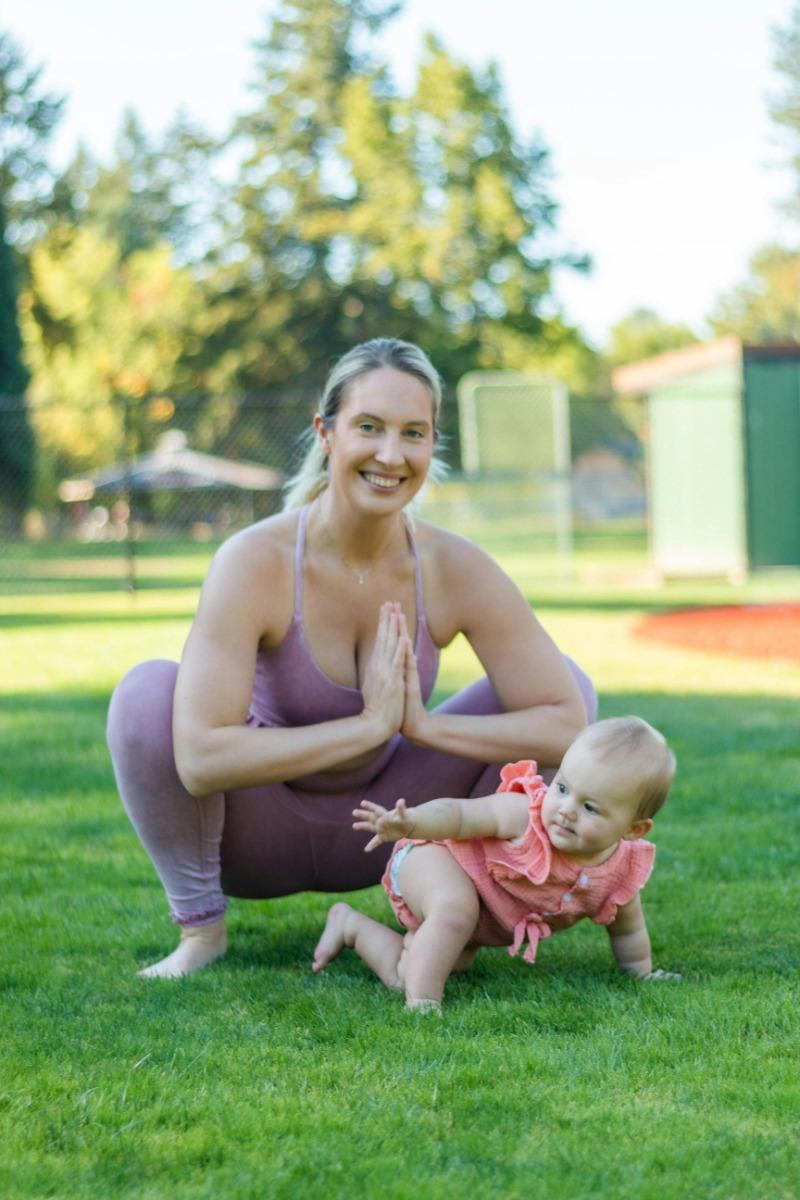
To many new parents, infant yoga might sound like a bit of a stretch. In part, that’s because parents might imagine infant yoga as analogous to adult yoga: a sometimes intense feat of physical fitness and flexibility. But the reality is that yoga with infants is a much more sedate and gentle activity than yoga for adults.
That’s because yoga for babies is designed not for flexibility and fitness but to introduce your infant to new sensory experiences. These are activities and gentle stretches that parents and infants will do together. They are not intended to be rigorous activities, instead emphasizing fun and joy for both parents and babies.
Yoga for infants can also yield significant benefits (for both parents and babies). It’s relatively common for infant yoga to help babies feel more relaxed and maybe a touch less fussy. Infants may also experience physical benefits. When parents and infants engage in activities such as yoga together, they may also experience a growth and deepening of the emotional bonds between them. For these reasons and more, new parents will often make baby yoga a fun and important part of their daily routines.
What is Baby Yoga?
Baby yoga is something you can do as part of a class or as part of your daily routine at home. Many classes are often listed under the less-than-accurate title of “mommy and me yoga.” Of course, parents of all genders can do yoga with their babies!
The history of baby yoga isn’t entirely clear, but the practice seems to have grown out of a combination of baby massage techniques combined with restorative and gentle yoga poses commonly used by adults. Yoga with infants is designed to help your baby relax and get used to the way their body can move. For your baby, every new stretch or pose is an opportunity to experience a new sensation! This can make baby yoga a joyful and playful experience for both parents and babies.
Taking this low key, exploratory approach to infant yoga can help ensure it stays a fun part of your day–and make working these stretches into your baby’s routine a little easier.
Benefits of Infant Yoga
When performed properly, there are some significant benefits associated with yoga for infants, especially due to the active participation of parents. Some of the most pronounced benefits include the following:
Physical development: Infants and newborns by necessity are sedentary much of the time. Even as babies grow, they may spend much of their day in carriers, car seats, and other non-moving conditions. In some cases, this can slow certain aspects of your baby’s physical development. Baby yoga can mitigate this, allowing infants to express and experience a wider range of movement on a regular basis. These stretches and poses can help your infant get used to all of their muscles and their range of movement, encouraging the development of these particular motor skills.
Better sleeping habits: Most baby toys are designed to stimulate your baby–to keep their attention. This can be an enriching thing, but it can also go overboard. There is much in the world that can overstimulate your infant. This overstimulation can interfere with sleep habits. (It’s the baby equivalent of spending time on your phone just before bed.) In contrast, yoga provides a calming way to stimulate your baby. This can help your infant sleep more soundly, which in turn can provide other physical benefits (for example, an immune system that functions more efficiently, better digestion, and better moods throughout the day).
Improved relaxation: Relaxation is a useful tool in its own right. A baby that is feeling relaxed is less likely to be cranky or fussy throughout the day (which can certainly make your job as a parent easier). Additionally, the sensory-rich experience of yoga can, over time, encourage executive development and self-soothing skills, eventually making it easier for your infant to regulate their emotions.
Building bonds between parents and babies: The bond you develop between yourself and your baby is absolutely critical. One of the best ways to build these bonds is through physical touch and by spending quality time with your baby. Infant yoga achieves both of these goals. Over time, this will help strengthen the bonds between you and your infant. This is a significant emotional benefit for both of you!
The benefits you experience with your baby will vary from individual to individual. After all, no two babies are completely alike! Benefits may also vary depending on how often you do yoga with your baby and how engaged they are in the experience. Keep an eye on your baby to see if they are enjoying the experience and don’t be afraid to make changes to ensure your infant has a good time.
What Baby Yoga Poses Can You Do?
As with adult yoga, baby yoga is made up of various stretches and poses. Each pose is designed to engage specific muscles and parts of the body, though ideally the poses will all work together as part of an entire routine.
Some of the most common baby yoga poses and movements for infants include the following:
Cross body crunch: Lay your baby on their back and gently hold their left wrist and right ankle. Slowly move these two limbs to a fully outstretched position. Then move the two limbs together so the knee is near the wrist. You can repeat this movement several times. Once done, repeat the same motion while holding the right wrist and left ankle.
Arm hugs: While your baby is lying on their back, gently hold each wrist. Move their arms outwards perpendicular to the body (the gesture should be an “arms wide” gesture). Then move the arms inward in a hugging motion. It will look as though your baby is providing its own self-hug! If your baby’s right arm is on top during the first hug, make sure their left arm is on top during the next. Continue alternating back and forth.
Squat and twist: To do this pose, make sure your baby is on their back. Hold your baby by both ankles. Move the ankles up so that the legs become flexed at the knee. Once the legs are flexed, move your baby’s legs to the right (while their back stays flat on the ground). Then, return your infant’s knees to the center position and move the legs down. Then repeat but move the legs to the left side. Alternate between left and right sides as you repeat this movement.
Seated forward bend: Lay your baby down on the ground between your outstretched legs. Make sure their head is supported. Lean forward at your lower back and reach for your toes. Try to bring your face as close to your baby’s face as possible. This pose encourages face-to-face bonding, so don’t be shy about lingering near your baby.
Once your baby is a little older, you can try these poses too:
Zoom to the moon: Starting from a seated position, hold your baby with your hands gently but firmly under their armpits. Slowly raise your baby up to your face and then lower them back down again.
Airplane baby: Lay with your back against the floor and your legs bent so your shins are horizontal in the air. Then, gently place your baby on your shins and support them in this position. You can use your shins to gently lift your baby up and down. You’ll want to keep both hands on your baby as you do this in order to provide additional support.
Rolling with your baby: Place your baby on your chest and wrap your arms around them. Gently roll from side to side while keeping your baby in this embrace.
Each of these poses should be done carefully and with your full attention on your baby. There are also many additional poses out there, so you can explore stretches and movements that your baby enjoys.
Do a Little Yoga Every Day
While there are plenty of baby yoga classes available, they aren’t necessary to engage in these activities with your infant. Instead, you can incorporate infant yoga into your daily routines and playtimes. You can spend five minutes here or there (maybe in the morning and the evening) and make baby yoga part of your daily routine!
When you do baby yoga at home, be sure to find a calm, quiet place for your session. Avoid loud music or noises. It’s also a great idea to have a soft, warm place to lay your baby during the yoga session (a blanket is great for this). And, above all, try to keep your focus and attention entirely on your baby. This will help maximize the bonding that occurs.
When incorporated into your baby’s daily life, this yoga practice can result in emotional, physical, and developmental benefits–not to mention a little bit of calm for stressed out parents! If you have questions about your baby’s health, make an appointment with Children’s Healthcare and Associates at our Northbrook or Chicago offices.
- posted: Mar. 13, 2025
To many new parents, infant yoga might sound like a bit of a stretch. In part, that’s because parents might imagine infant yoga as analogous to adult yoga: a sometimes intense feat of physical fitness and flexibility. But the reality is that yoga with infants is a much more sedate and gentle activity than yoga for adults.
That’s because yoga for babies is designed not for flexibility and fitness but to introduce your infant to new sensory experiences. These are activities and gentle stretches that parents and infants will do together. They are not intended to be rigorous activities, instead emphasizing fun and joy for both parents and babies.
Yoga for infants can also yield significant benefits (for both parents and babies). It’s relatively common for infant yoga to help babies feel more relaxed and maybe a touch less fussy. Infants may also experience physical benefits. When parents and infants engage in activities such as yoga together, they may also experience a growth and deepening of the emotional bonds between them. For these reasons and more, new parents will often make baby yoga a fun and important part of their daily routines.
What is Baby Yoga?
Baby yoga is something you can do as part of a class or as part of your daily routine at home. Many classes are often listed under the less-than-accurate title of “mommy and me yoga.” Of course, parents of all genders can do yoga with their babies!
The history of baby yoga isn’t entirely clear, but the practice seems to have grown out of a combination of baby massage techniques combined with restorative and gentle yoga poses commonly used by adults. Yoga with infants is designed to help your baby relax and get used to the way their body can move. For your baby, every new stretch or pose is an opportunity to experience a new sensation! This can make baby yoga a joyful and playful experience for both parents and babies.
Taking this low key, exploratory approach to infant yoga can help ensure it stays a fun part of your day–and make working these stretches into your baby’s routine a little easier.
Benefits of Infant Yoga
When performed properly, there are some significant benefits associated with yoga for infants, especially due to the active participation of parents. Some of the most pronounced benefits include the following:
Physical development: Infants and newborns by necessity are sedentary much of the time. Even as babies grow, they may spend much of their day in carriers, car seats, and other non-moving conditions. In some cases, this can slow certain aspects of your baby’s physical development. Baby yoga can mitigate this, allowing infants to express and experience a wider range of movement on a regular basis. These stretches and poses can help your infant get used to all of their muscles and their range of movement, encouraging the development of these particular motor skills.
Better sleeping habits: Most baby toys are designed to stimulate your baby–to keep their attention. This can be an enriching thing, but it can also go overboard. There is much in the world that can overstimulate your infant. This overstimulation can interfere with sleep habits. (It’s the baby equivalent of spending time on your phone just before bed.) In contrast, yoga provides a calming way to stimulate your baby. This can help your infant sleep more soundly, which in turn can provide other physical benefits (for example, an immune system that functions more efficiently, better digestion, and better moods throughout the day).
Improved relaxation: Relaxation is a useful tool in its own right. A baby that is feeling relaxed is less likely to be cranky or fussy throughout the day (which can certainly make your job as a parent easier). Additionally, the sensory-rich experience of yoga can, over time, encourage executive development and self-soothing skills, eventually making it easier for your infant to regulate their emotions.
Building bonds between parents and babies: The bond you develop between yourself and your baby is absolutely critical. One of the best ways to build these bonds is through physical touch and by spending quality time with your baby. Infant yoga achieves both of these goals. Over time, this will help strengthen the bonds between you and your infant. This is a significant emotional benefit for both of you!
The benefits you experience with your baby will vary from individual to individual. After all, no two babies are completely alike! Benefits may also vary depending on how often you do yoga with your baby and how engaged they are in the experience. Keep an eye on your baby to see if they are enjoying the experience and don’t be afraid to make changes to ensure your infant has a good time.
What Baby Yoga Poses Can You Do?
As with adult yoga, baby yoga is made up of various stretches and poses. Each pose is designed to engage specific muscles and parts of the body, though ideally the poses will all work together as part of an entire routine.
Some of the most common baby yoga poses and movements for infants include the following:
Cross body crunch: Lay your baby on their back and gently hold their left wrist and right ankle. Slowly move these two limbs to a fully outstretched position. Then move the two limbs together so the knee is near the wrist. You can repeat this movement several times. Once done, repeat the same motion while holding the right wrist and left ankle.
Arm hugs: While your baby is lying on their back, gently hold each wrist. Move their arms outwards perpendicular to the body (the gesture should be an “arms wide” gesture). Then move the arms inward in a hugging motion. It will look as though your baby is providing its own self-hug! If your baby’s right arm is on top during the first hug, make sure their left arm is on top during the next. Continue alternating back and forth.
Squat and twist: To do this pose, make sure your baby is on their back. Hold your baby by both ankles. Move the ankles up so that the legs become flexed at the knee. Once the legs are flexed, move your baby’s legs to the right (while their back stays flat on the ground). Then, return your infant’s knees to the center position and move the legs down. Then repeat but move the legs to the left side. Alternate between left and right sides as you repeat this movement.
Seated forward bend: Lay your baby down on the ground between your outstretched legs. Make sure their head is supported. Lean forward at your lower back and reach for your toes. Try to bring your face as close to your baby’s face as possible. This pose encourages face-to-face bonding, so don’t be shy about lingering near your baby.
Once your baby is a little older, you can try these poses too:
Zoom to the moon: Starting from a seated position, hold your baby with your hands gently but firmly under their armpits. Slowly raise your baby up to your face and then lower them back down again.
Airplane baby: Lay with your back against the floor and your legs bent so your shins are horizontal in the air. Then, gently place your baby on your shins and support them in this position. You can use your shins to gently lift your baby up and down. You’ll want to keep both hands on your baby as you do this in order to provide additional support.
Rolling with your baby: Place your baby on your chest and wrap your arms around them. Gently roll from side to side while keeping your baby in this embrace.
Each of these poses should be done carefully and with your full attention on your baby. There are also many additional poses out there, so you can explore stretches and movements that your baby enjoys.
Do a Little Yoga Every Day
While there are plenty of baby yoga classes available, they aren’t necessary to engage in these activities with your infant. Instead, you can incorporate infant yoga into your daily routines and playtimes. You can spend five minutes here or there (maybe in the morning and the evening) and make baby yoga part of your daily routine!
When you do baby yoga at home, be sure to find a calm, quiet place for your session. Avoid loud music or noises. It’s also a great idea to have a soft, warm place to lay your baby during the yoga session (a blanket is great for this). And, above all, try to keep your focus and attention entirely on your baby. This will help maximize the bonding that occurs.
When incorporated into your baby’s daily life, this yoga practice can result in emotional, physical, and developmental benefits–not to mention a little bit of calm for stressed out parents! If you have questions about your baby’s health, make an appointment with Children’s Healthcare and Associates at our Northbrook or Chicago offices.
